Do We Still Need a 200A Service Upgrade?
For many years, upgrading a home to 200A electrical service was considered the standard recommendation during a major remodel.
If a homeowner was planning to add new appliances, EV charging, or future upgrades, the typical advice was simple:
“Upgrade the service to 200 amps.”
But today, the conversation is starting to change.
With the rise of solar systems, battery storage, and smarter electrical infrastructure, many homes may no longer need a full 200A service upgrade — especially here in California.
The Reality: Utility Service Upgrades Can Take Time
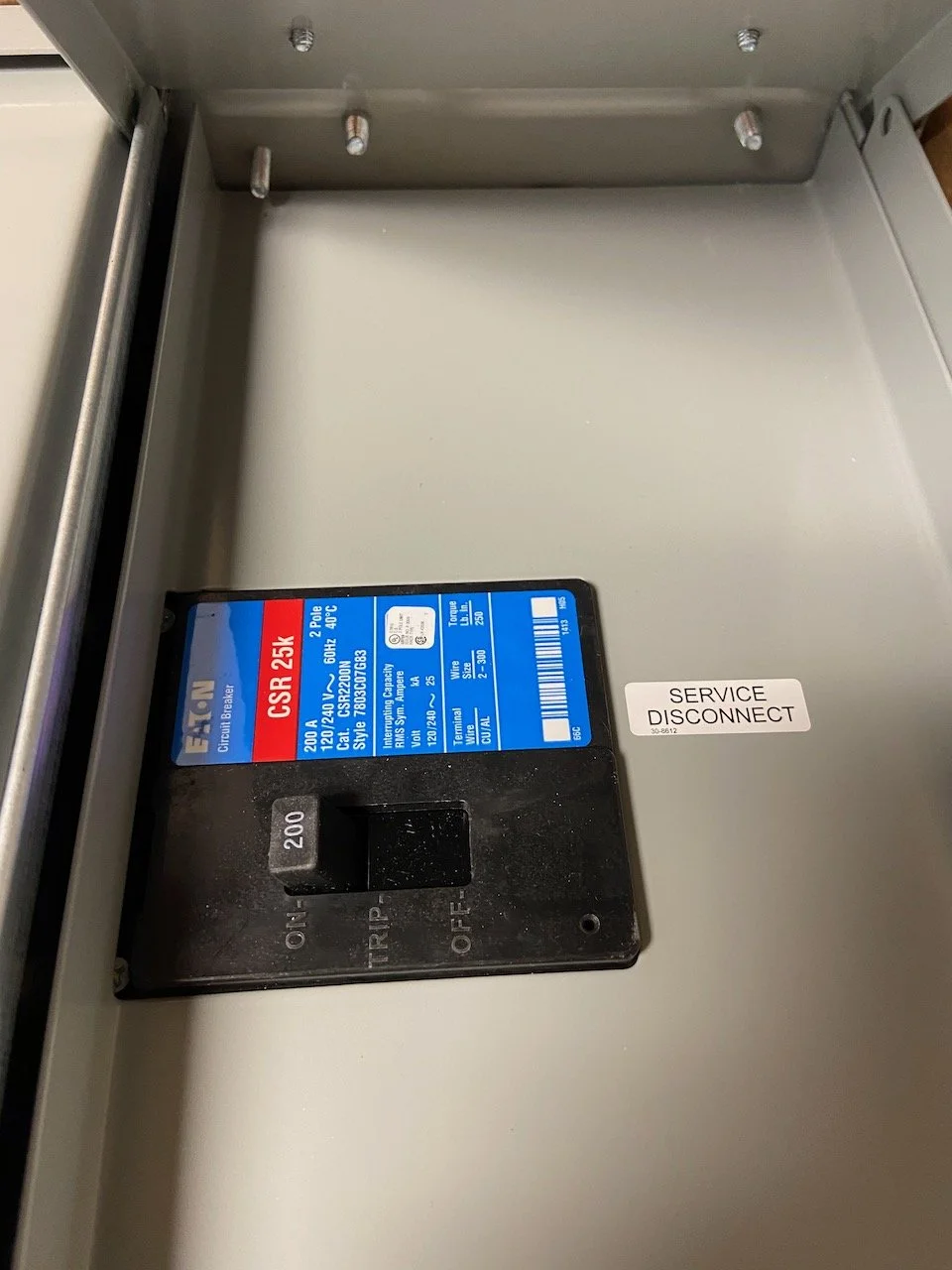
In the Bay Area, electrical service upgrades require coordination with PG&E.
In recent years, many homeowners and contractors have experienced significant delays when trying to upgrade electrical service. A typical upgrade may require:
Utility engineering review
Transformer capacity checks
Service drop or underground service changes
Meter relocation requirements
Depending on the neighborhood infrastructure, the process can take months or sometimes longer.
For homeowners planning a remodel or solar installation, this delay can impact the entire project schedule.
Because of this, many homeowners are beginning to ask a very practical question:
Do we really need a 200A upgrade?
Solar + Battery Changes the Equation
Homes that install solar panels and battery backup systems operate differently from traditional grid-dependent homes.
Instead of pulling large amounts of electricity from the utility grid, the goal becomes something else:
Generate energy locally and reduce reliance on the grid whenever possible.
A solar and battery system allows a home to:
Produce electricity during the day
Store excess energy in batteries
Use stored energy in the evening
Provide backup power during outages
Reduce overall demand from PG&E
When a home is designed this way, the electrical strategy shifts from increasing grid capacity to managing energy more efficiently.
Smart Load Management Makes a Big Difference
Another important development is modern load management technology.
New electrical panels and energy management systems can intelligently manage large electrical loads such as:
EV chargers
Heat pump HVAC systems
Electric water heaters
Electric dryers and ranges
Instead of requiring enough capacity to run every large appliance at the same time, these systems allow loads to be coordinated automatically.
This means multiple appliances can share available electrical capacity more efficiently, reducing the need for a large service upgrade.
This approach is becoming increasingly common in high-efficiency homes and electrification projects.
Can You Install Solar With 100A Electrical Service?
This is one of the most common questions homeowners ask when considering solar.
The short answer is: YES, in many cases you can.
A home with 100A electrical service can often install a solar system without upgrading to 200A service. The key factor is how the solar system connects to the electrical panel and how the overall system is designed.
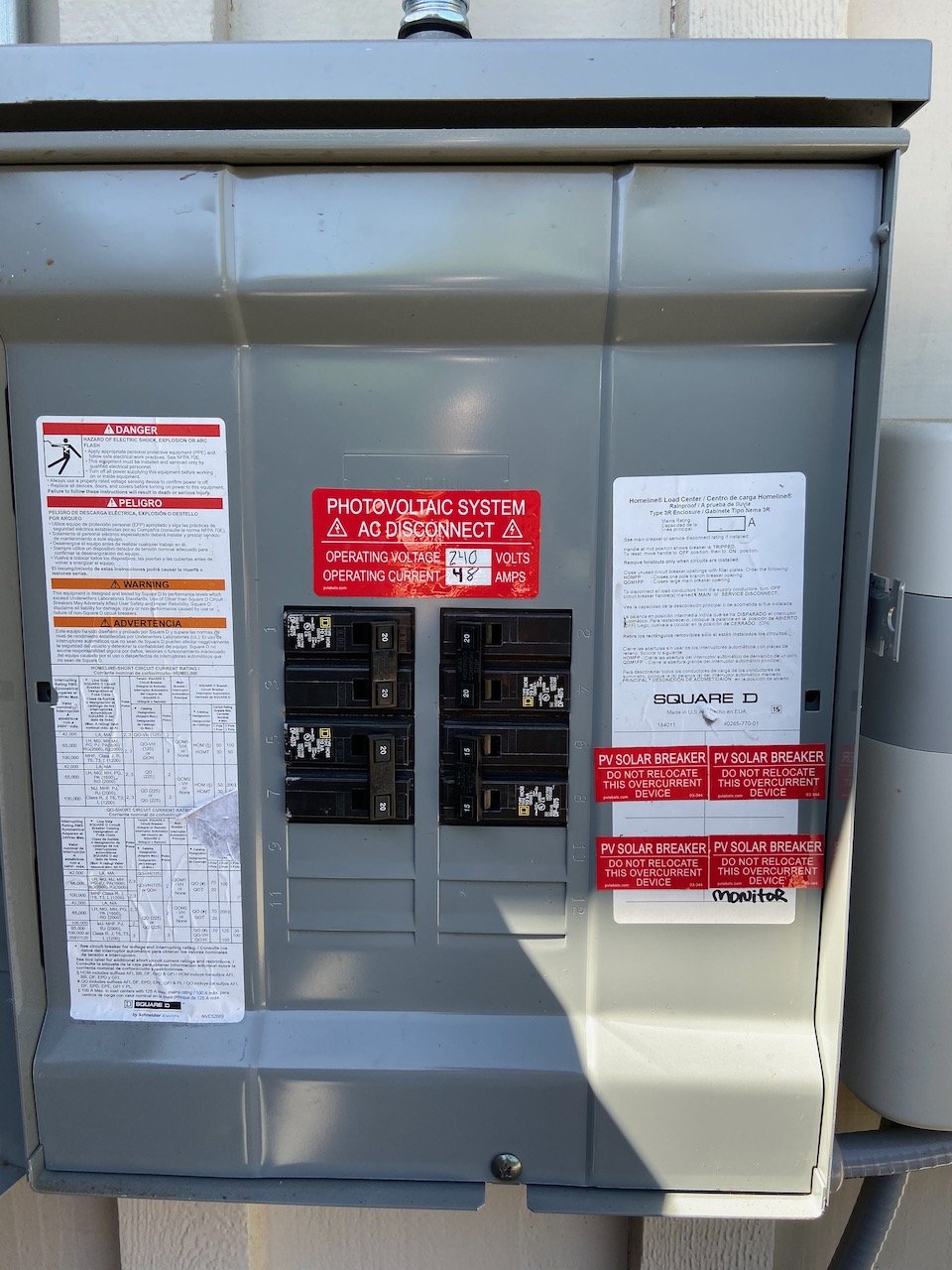
Under current electrical code rules, solar systems are typically connected through a backfed breaker in the main panel. The allowable solar size depends on the panel rating and the existing main breaker.
For example, many 100A panels can support a solar system around 3–4 kW without requiring a service upgrade, depending on the configuration.
There are also other solutions that can allow larger solar systems without upgrading the utility service.
These may include:
Supply-side connections (line-side taps)
Main breaker downsizing
Load management systems
Backup or critical-loads subpanels
When solar is paired with battery storage, the design flexibility increases even further. Batteries allow energy to be stored and used when needed, reducing the amount of electricity pulled from the grid at any given time.
Because of this, many homes can successfully install solar and battery systems without immediately upgrading utility service.
When a 200A Upgrade Still Makes Sense
Of course, there are still situations where upgrading to 200A service is the right decision.
For example:
Larger homes with high electrical demand
Homes adding multiple EV chargers
Older panels that must be replaced for safety reasons
Homes planning major expansions
Every property is different, and electrical load calculations should always be considered when evaluating a service upgrade.
The key point is that a 200A upgrade is no longer automatically required for every renovation project.
A Different Way to Think About Electrical Upgrades
For many years, the default approach during a remodel was straightforward:
“Upgrade the service to 200 amps.”
But with today’s energy technologies, it may be time to start with a different question.
Instead of simply increasing the size of the utility connection, homeowners can first look at how energy will be generated, stored, and used within the home.
Solar systems, battery backup, and modern load management tools allow homes to operate far more efficiently than in the past. When these systems are designed together, many homes can operate comfortably without increasing the size of the utility service.
In many cases, the smarter strategy is not simply adding more capacity from the grid, but designing a home energy system that relies less on it.
Thoughtful Planning Matters
Every home is different. Some homes will still benefit from a 200A service upgrade, while others may find that it is not necessary once the entire energy system is considered.
At ENE Smarthome, we like to step back and evaluate the bigger picture first — how the home uses electricity today and how it may evolve in the future.
By looking at solar options, battery backup, appliance loads, and electrical infrastructure together, homeowners can often make more informed decisions before committing to a major utility upgrade.
Sometimes the best solution is not simply more power from the grid, but a better designed energy system for the home.