A Smarter Approach to Home Expansion, Solar Energy, and Electrical Planning
If you live in the San Francisco Bay Area, you've probably noticed something frustrating: your electricity bill keeps getting more expensive, even when your daily habits haven't changed very much.
At ENE Smarthome, we work with homeowners throughout Silicon Valley on residential remodeling and home expansion projects. As homes become larger and more dependent on electricity, we're seeing an important change in how electrical systems should be planned.
Traditionally, when a homeowner expanded a house with an existing 100-amp electrical service, upgrading to 200 amps was often one of the first recommendations.
Today, we're asking a different question:
Instead of automatically bringing more electricity into the house,
can we make better use of the electricity we already have?

1. Why Is Electricity So Expensive in California?
California has some of the highest residential electricity rates in the United States, and PG&E customers have experienced particularly significant increases.
According to the California Public Utilities Commission (CPUC), PG&E's average electric rates increased approximately 45% between January 2021 and March 2026.
Several factors contribute to these costs.
Wildfire prevention and infrastructure improvements
PG&E operates an extensive electrical distribution network, including infrastructure in areas with significant wildfire risks.
Maintaining and improving this system requires major investments in vegetation management, equipment replacement, underground power lines, and other safety measures.
These costs are ultimately reflected in utility rates.
Aging electrical infrastructure
Many neighborhoods throughout the Bay Area were developed decades ago. Their original electrical infrastructure was not designed for today's combination of electric vehicles, heat pumps, electric water heaters, and other high-demand equipment.
Upgrading this infrastructure requires significant planning, construction, and utility coordination.
Increasing electricity demand
California continues to electrify transportation, heating, and other systems that previously relied on fossil fuels.
At the same time, large commercial developments and data centers are creating additional demand for electricity.
These changes put increasing pressure on an electrical grid that already requires substantial investment.
2. Data Centers Are Changing the Electrical Grid
Silicon Valley is experiencing another major change: the rapid expansion of artificial intelligence and data centers.
Modern data centers require enormous amounts of electricity, not only to operate computing equipment but also to support cooling and related infrastructure.
PG&E has reported substantial new electricity demand from proposed data center developments in Northern California, including the San Jose area.
These projects require significant utility engineering, infrastructure investment, and construction resources.
For homeowners, this raises an important concern: residential projects must operate within the same broader utility system that is accommodating increasingly complex commercial demands.
We cannot assume that data centers receive priority over individual homeowners in utility crew scheduling. However, the growing demand for electrical infrastructure is an important factor when considering long-term grid capacity and investment.
3. Why a 200-Amp Service Upgrade Is Not Always the Best First Step
For many years, upgrading from 100 amps to 200 amps has been a common recommendation during residential remodeling.
The reasoning is understandable. A larger house may include additional bedrooms, bathrooms, HVAC equipment, or electrical appliances.
But a 200-amp upgrade is not always necessary.
Before recommending a service upgrade, we believe homeowners should understand three things:
How much electrical capacity the existing home actually needs.
How much additional demand the expansion will create.
Whether modern energy management solutions can safely accommodate that demand.
A properly completed electrical load calculation may show that the existing 100-amp service is sufficient.
In other cases, smart load management systems can coordinate equipment operation to prevent excessive simultaneous demand.
And when additional capacity is genuinely required, a service upgrade remains the appropriate solution.
The goal should be a properly designed electrical system, not simply the largest service available.
4. The Hidden Challenge: PG&E Service Upgrade Delays
An electrical service upgrade involves more than replacing the main electrical panel.
Depending on the property, it may require coordination with PG&E for service conductors, transformer capacity, meter equipment, engineering, inspections, and final connection.
These steps can introduce uncertainty into a construction schedule.
In October 2026, PG&E announced that some customer projects could be delayed as the company adjusted its capital investment plans. Potentially affected projects include new electrical connections and existing service upgrades.
For homeowners undertaking a major expansion, this matters.
A residential construction project may already involve months of demolition, foundation work, framing, mechanical systems, inspections, and finishing.
Waiting for utility work can complicate an otherwise carefully coordinated schedule.
This is one reason ENE Smarthome increasingly evaluates alternatives before recommending a conventional service upgrade.
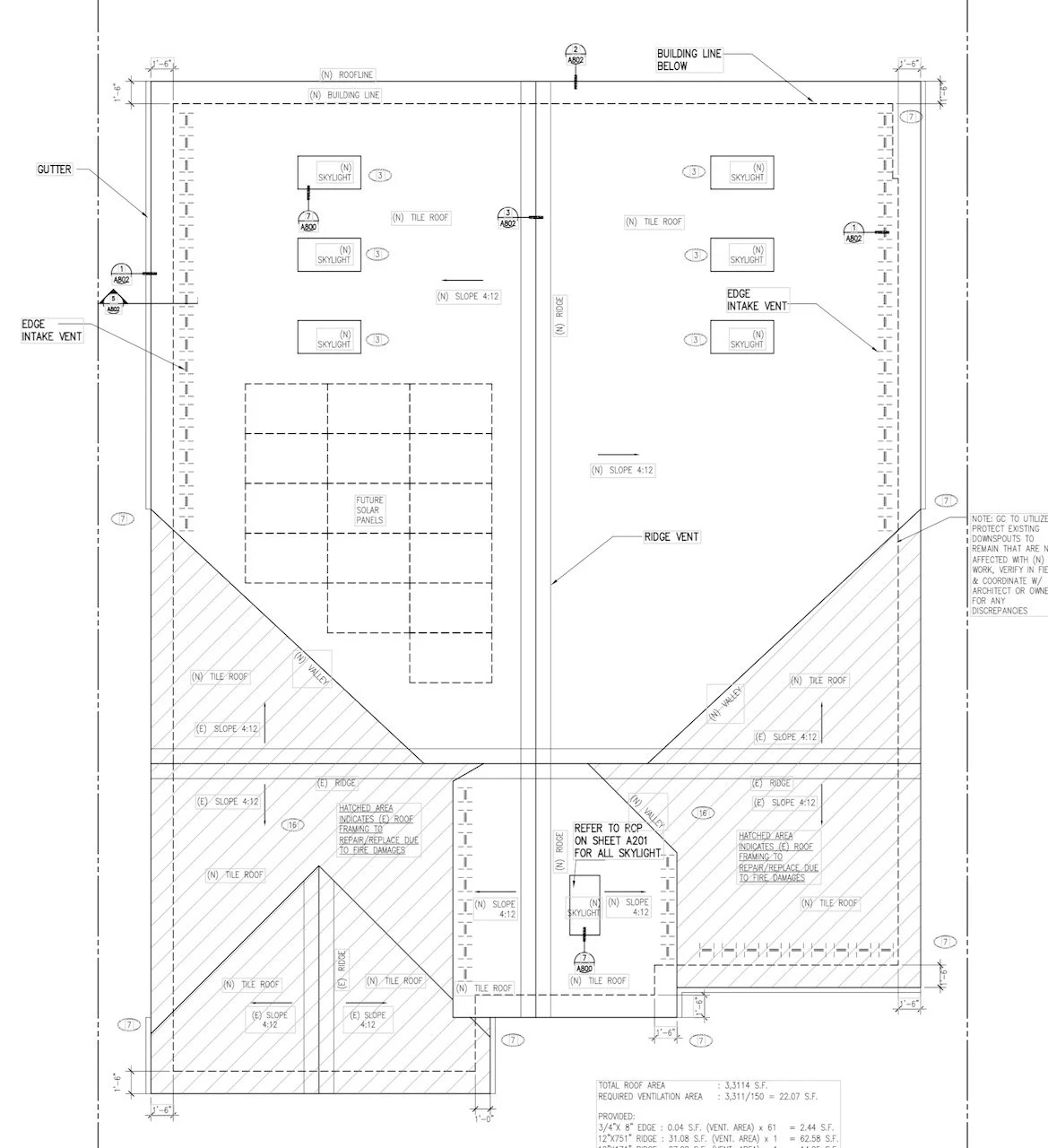
5. Our Approach: Consider Solar, Battery Storage, and Smarter Electrical Design
When we evaluate a home with an existing 100-amp service, we don't automatically recommend replacing it with 200 amps.
Instead, we look at the entire electrical system.
Solar energy
A properly sized solar system can generate electricity during the day, reducing the amount of energy purchased from PG&E.
For homeowners facing high utility rates, this can provide meaningful long-term savings.
However, solar generation alone does not increase the rated capacity of a 100-amp electrical service.
Battery storage
Home batteries can store excess solar energy and make it available during the evening, when utility electricity may be more expensive.
Depending on the system design, batteries can also provide backup power during outages.
Smart load management
Modern electrical controls can coordinate high-demand equipment, including EV chargers, water heaters, and HVAC systems.
For example, an EV charger may automatically reduce charging power when other major appliances are operating.
This helps manage the home's electrical demand without necessarily increasing the utility service capacity.
Energy-efficient equipment
Modern heat pumps, heat pump water heaters, and energy-efficient appliances can also help reduce energy consumption.
The combination of these technologies can make a substantial difference in how a home uses electricity.
6. Why This Matters During a Home Expansion
Imagine a homeowner planning to add 700 square feet to an existing single-family home.
The project includes a new bedroom, bathroom, and expanded living space.
The house currently has a 100-amp electrical service.
A traditional approach might be to recommend a 200-amp service upgrade immediately.
At ENE Smarthome, we prefer to begin with an electrical load assessment.
We review the existing equipment, the new construction requirements, and any future plans for EV charging or electrification.
If the existing service can safely support the planned loads, we can explore keeping it.
The homeowner can then consider investing in solar generation, battery storage, or energy management rather than spending unnecessarily on utility infrastructure.
This approach may reduce utility coordination, help control project costs, and lower future electricity purchases.
Of course, every home is different. Some projects will still require a 200-amp or larger service, particularly when multiple high-demand electrical systems are being added.
7. The Future of Residential Electrical Design
For decades, the conventional approach to residential electrical planning was relatively simple: when demand increased, increase the service capacity.
But the energy landscape is changing.
Electricity is expensive. Utility infrastructure is under pressure. Homes are becoming more electrified, and homeowners now have access to technologies that were not widely available just a decade ago.
Solar panels, batteries, intelligent load management, and efficient appliances give us more options.
At ENE Smarthome, we believe the future of residential remodeling is not simply about increasing electrical capacity.
It's about designing homes that use energy more intelligently.
Build Smarter. Use Less Grid Electricity.
If you're planning a home expansion or major remodeling project in Silicon Valley, electrical planning should begin early in the design and construction process.
Before committing to a costly service upgrade, consider whether your existing electrical system can be optimized.
The best electrical upgrade may not be a bigger connection to the grid. It may be a smarter way to use the power you already have.
ENE Smarthome, Inc. — Residential Remodeling and Home Expansion in Silicon Valley
Note: Electrical service capacity must be evaluated using applicable electrical codes, utility requirements, and project-specific load calculations. Solar and battery systems do not automatically eliminate the need for a service upgrade.